Bringing a grey jarrah deck back
14 August 2026 · 4 min read
Silvered jarrah is not damaged, it is weathered. What cleaning actually restores, when sanding is warranted, and what to do about black stains.
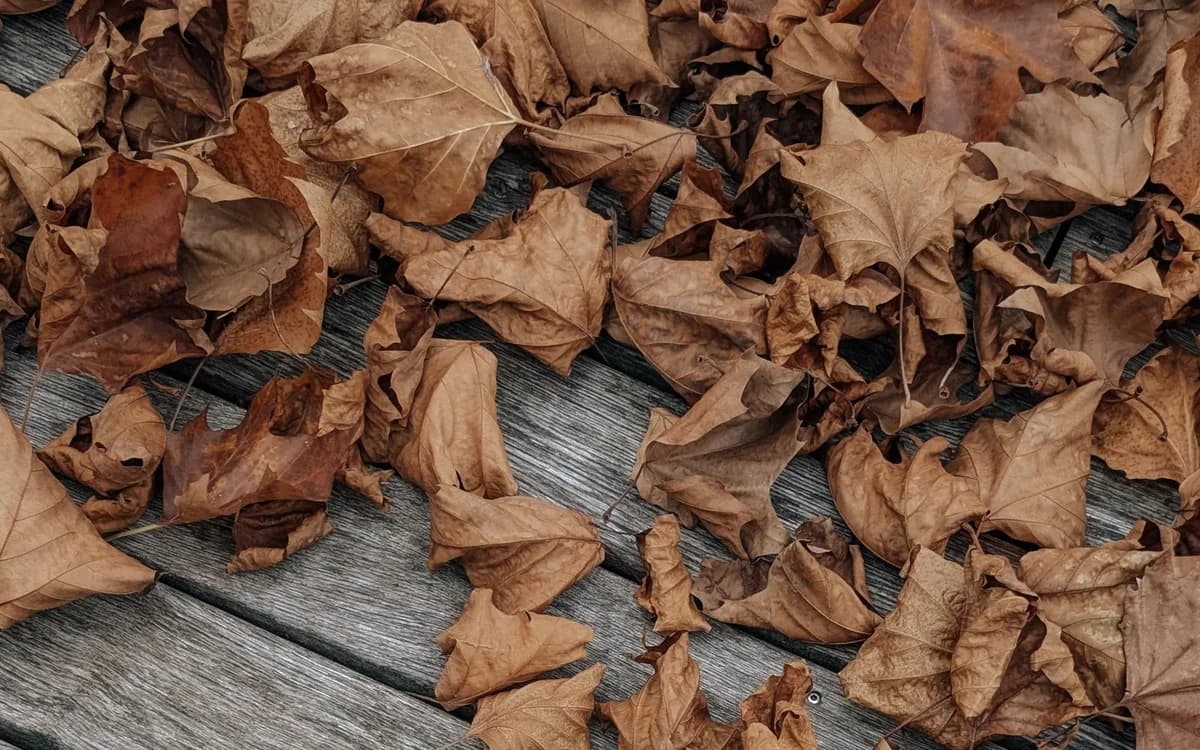
A jarrah deck that has gone silver-grey looks finished. Usually it is not — the greying is a surface phenomenon a fraction of a millimetre deep, and the timber underneath is the same rich red it always was.
What greying actually is
UV breaks down **lignin**, the compound that binds wood fibres and carries much of the colour. As lignin degrades at the surface, it is washed away by rain, leaving loose, colourless cellulose fibres behind. That grey layer is typically only about 0.1 to 0.5 mm deep.
Remove it and the colour is there. This is why a proper clean transforms a deck that looked past saving.
Start with cleaning, not sanding
**Deck cleaner** — usually a sodium percarbonate or oxalic acid based product — dissolves the degraded fibres and lifts the grey chemically.
The method:
- Sweep and clear the deck completely
- Wet the timber first, and wet any plants nearby
- Apply the cleaner and give it the stated dwell time
- Agitate with a stiff brush along the grain, not across it
- Rinse thoroughly
- Let it dry properly — two or three days of Perth weather
**Oxalic acid brighteners** are the second step where the deck has black staining or tannin marks. Oxalic acid is specifically effective on iron-tannin stains, which is what most black marking on jarrah is.
Understanding the black stains
Jarrah is high in tannins. Where tannin meets iron — a nail, a screw, a steel planter, a barbecue leg — it forms iron tannate, which is black and which penetrates.
**Around fixings:** oxalic acid treatment will usually lift it substantially. If the fixings are corroding, replacing them with stainless is the permanent fix.
**Under planters and furniture:** usually a combination of iron staining and mould. Clean, brighten, and put feet under things.
**Widespread dark grey-black over the whole deck:** more likely mould in the surface fibres than iron. A deck cleaner with a fungicidal component handles this.
Do not reach for the pressure washer first
High pressure on jarrah erodes the soft early wood between the harder grain, leaving a permanently furry, ridged surface that holds dirt and will never take an even finish. If you must use pressure, keep it low, use a wide fan, keep the nozzle well back and move constantly along the grain.
When sanding is warranted
Cleaning handles the greying. Sanding is for **surface condition**, not colour:
- Splintering and raised fibres
- Heavy furring from previous pressure washing
- Old failing paint or film-forming coating that must come off
- Cupping or unevenness between boards
- Deep staining that brightening did not lift
If you do sand: punch every fixing below the surface first, work along the grain, and do not go finer than about 80 to 100 grit. Sanding too fine closes the grain and the oil will not penetrate.
Repairs before finishing
- Replace split, cupped or rotten boards
- Punch or replace proud and corroding fixings
- Check the joists where boards have been wet for years — the boards are often fine and the bearer beneath is not
- Ensure the gaps between boards are clear, so water drains rather than sitting
Finishing
Once clean, bright, repaired and genuinely dry, oil it. See our piece comparing oil, stain and paint for the reasoning — on jarrah in Perth, a decking oil applied annually is the finish that keeps the timber looking like jarrah and never traps you in a strip-back.
Apply thin coats, work a full board length at a time to avoid lap marks, and do it out of direct sun. Oil applied to a hot board in February skins before it penetrates, which is the most common way a good clean gets wasted at the last step.
The maintenance that keeps it
An annual clean and re-oil before summer, and putting feet under anything metal. That is the whole programme, and a jarrah deck treated that way will outlast the house.