Eaves, fascia and gutters: the parts everyone forgets
5 June 2026 · 3 min read
They are a small share of the surface area and a large share of the failures. Why the roofline goes first and what it costs to leave it.
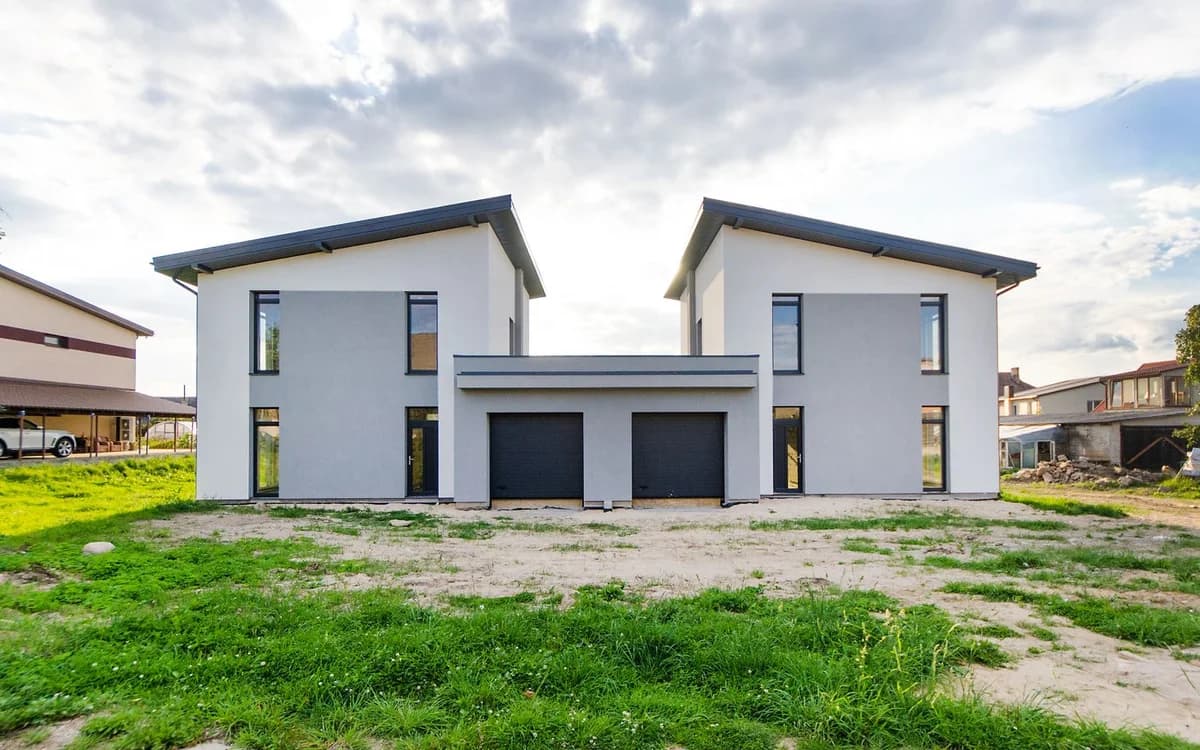
Ask someone to picture their house needing painting and they picture the walls. But on most Perth repaints, the walls are in better condition than the roofline — and the roofline is where neglect turns into replacement.
Why this area fails first
**It is thin.** Fascia and barge boards are relatively thin timber sections exposed on multiple faces. They heat and cool faster than a masonry wall, move more, and work the coating harder.
**It is the wettest part of the building.** Gutters overflow. Downpipes leak at joints. Roof runoff sheets over the fascia in heavy rain. Anywhere water sits against timber for hours, the coating fails and rot follows.
**It is the hardest to reach.** Which means it is the part most often skipped, spot-touched, or done from a ladder at arm's length rather than properly.
**It carries most of the joints.** Corners, scarf joints, connections to the wall and to the roof — every one is a place for water to enter end-grain timber.
The failure sequence
- Coating cracks at a joint or a fixing
- Water enters the end grain of the timber
- Timber swells, which opens the crack further
- The coating loses adhesion around the wet area
- Fungal decay begins in timber that stays damp
- The section becomes soft and no longer holds a fixing
- Replacement, not painting
Steps one to three take a couple of years. Steps four to seven take considerably longer, but the cost difference between intervening at step three and step seven is very large. Replacing fascia involves removing gutters, and it is carpentry with an access requirement rather than painting.
Soft timber does not take paint
If a screwdriver pushes into the fascia with light pressure, that section is gone. Painting it is money spent on a board that needs replacing. A good painter will tell you this at quote stage and price the replacement separately.
Eaves and soffits
Eaves are usually cement sheet or fibro, and they are in permanent shade, which means they collect grime and grow mould rather than fading.
Two things matter here. First, they need washing properly before coating — mould painted over comes back through. Second, on anything built before the late 1980s, that sheeting may be asbestos-cement. It is safe to paint and unsafe to sand or cut. Any painter working on pre-1990 eaves should raise this before touching them.
Gutters and downpipes
Colorbond guttering has a factory finish that lasts a long time and, once it fails, cannot be restored to the same standard. Repainting it is entirely feasible with the right preparation — wash, light abrade, an appropriate primer for the substrate — but it becomes a maintenance item from then on.
Older galvanised or painted steel gutters are worth painting for corrosion protection rather than appearance. Rust in a gutter means water sitting in it, which usually means fall or a blockage rather than the coating.
What it costs to leave
Roughly, a full roofline repaint is a modest share of an exterior repaint. Replacing a single run of rotted fascia — with gutter removal, disposal, new timber, priming and reinstatement — can approach that whole figure on its own.
That is the entire argument. The roofline is the highest-return part of an exterior repaint, and it is the part most often cut from the quote to reach a number.