Limewash, Roman clay and textured wall finishes
8 August 2026 · 4 min read
Mineral finishes with visible movement are the strongest interior trend in years. What each one actually is, and what living with it is like.
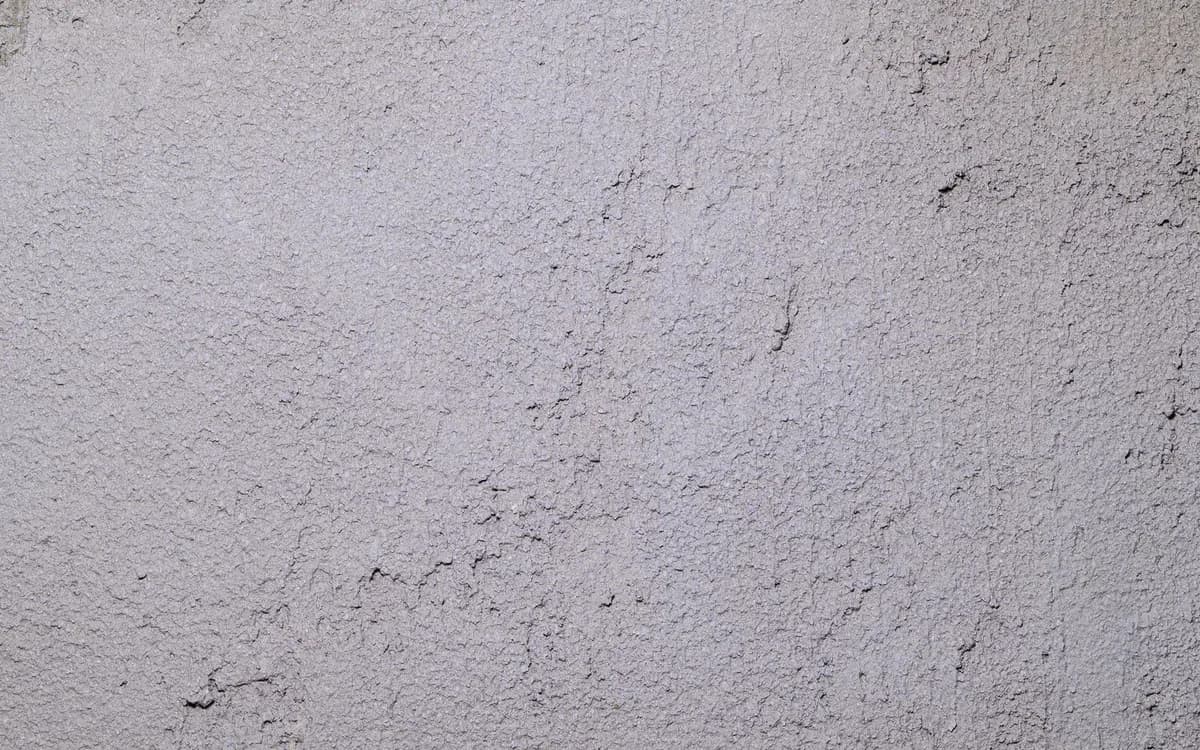
Flat, uniform paint has been the default for so long that a wall with visible depth and movement now reads as a deliberate choice. These finishes are genuinely different materials rather than paint effects, and they behave differently.
Limewash
**What it is.** Slaked lime and water, with mineral pigment. One of the oldest wall finishes there is.
**How it works.** It does not form a film. It penetrates a mineral substrate and carbonates — reacting with carbon dioxide in the air to form calcium carbonate, effectively becoming a thin layer of soft stone bonded to the wall.
**What it looks like.** Soft, chalky, with cloudy variation and depth. It changes noticeably with the light through the day. Applied in thin coats with a broad brush, and the brushwork is part of the finish.
**The practical realities.** Highly breathable, which makes it excellent on old masonry and on limestone. Naturally alkaline, so it resists mould. It is also soft — it can mark and it will dust slightly, and it cannot be scrubbed. It needs a mineral substrate to bond to; it will not adhere over an existing acrylic paint without a mineral primer.
**Where it suits.** Heritage masonry, feature walls, bedrooms and formal rooms. Not hallways with children.
Roman clay and mineral plasters
**What it is.** A fine plaster applied with a trowel in very thin layers, burnished to varying degrees.
**What it looks like.** Smoother than limewash, with subtle tonal movement and a slight sheen where burnished. More contemporary and more controlled.
**The practical realities.** Considerably more durable than limewash and it can be sealed for wet areas. It is a skilled trowel application — the result depends heavily on the applicator, and a poor one looks like badly patched render rather than an artisan finish.
**Where it suits.** Feature walls, bathrooms with a suitable sealer, entries, and around fireplaces.
Venetian plaster
**What it is.** Lime putty with marble dust, applied in many thin layers and burnished to a polished finish.
**What it looks like.** Deep, reflective, almost stone-like, with visible depth through the layers.
**The practical realities.** The most labour-intensive and expensive of these. Many coats, extensive burnishing, and real expertise. Very durable once complete and it can be waxed for water resistance.
**Where it suits.** Feature areas where the budget supports it. It is a statement, not a wall treatment.
Textured and sand-finish paints
**What it is.** Paint with aggregate added, or applied with a texturing technique.
**What it looks like.** Uniform texture rather than tonal movement — a different effect from the mineral finishes above.
**The practical realities.** Much cheaper. Hides wall imperfection well. Very difficult to remove or paint over smoothly later, which is worth knowing before you commit a whole room.
Choosing between them
| If you want | Consider | Budget |
|---|---|---|
| Soft, old-world, breathable | Limewash | Low to moderate |
| Contemporary, subtle movement, durable | Roman clay | Moderate |
| Deep, polished, luxurious | Venetian plaster | High |
| Texture on a budget, hides bad walls | Textured paint | Low |
| Wet area with movement | Sealed mineral plaster | Moderate to high |
Sample at full size
These finishes vary enormously with the applicator's hand, and a small sample tells you very little. Ask for a sample board of at least a square metre, made by the person who will do your wall, and look at it on the actual wall in the actual light.
The questions worth asking before you commit
**How is it repaired?** Limewash can be re-coated locally and blends reasonably. Venetian plaster cannot be spot-repaired — damage usually means redoing the wall.
**How is it cleaned?** Most of these cannot be scrubbed. Some can be sealed. Ask specifically.
**What happens when I want to change it?** Mineral finishes can be painted over with the right primer. Heavy textures need skimming.
**Who is applying it?** More than any other wall finish, the result is the applicator. Ask to see three completed jobs, in person if you can.