Painting render in Perth: what the substrate needs
17 June 2026 · 3 min read
Render is the most common exterior surface in Perth and the one with the most ways to go wrong. Curing, alkalinity, cracks and the right system.
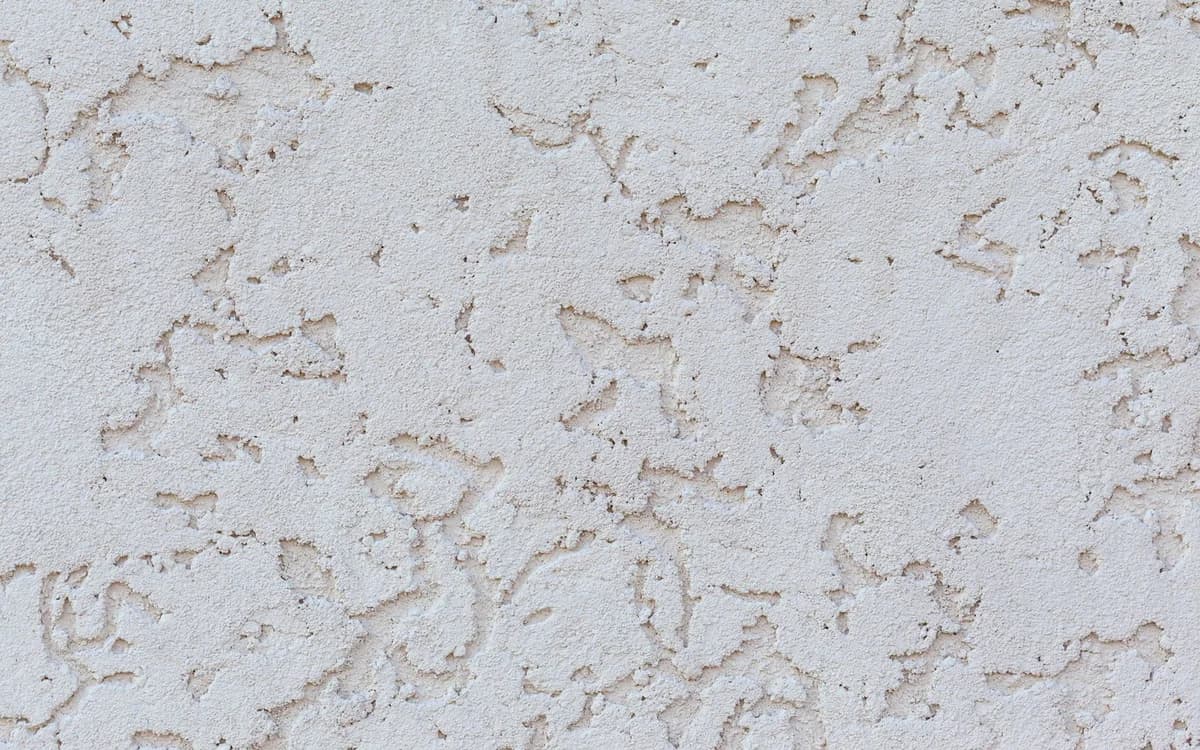
Most Perth houses built since the 1990s are rendered brick, which makes render the substrate we coat more than any other. It is forgiving in some ways and unforgiving in exactly the places people get wrong.
New render has to cure before it is painted
Cement-based render is alkaline while it cures. Coating it too early causes **saponification** — the alkali reacts with the binder in the paint and turns the film soft, sticky or patchy. It can also cause burning of the colour, where the pigment is chemically altered in blotches.
The conventional guidance is to allow around 28 days before coating a cement render, longer in cool or damp conditions. Acrylic renders cure faster and have their own manufacturer's guidance.
If you cannot wait, an alkali-resistant sealer designed for green render is the answer — not an ordinary primer.
Test rather than assume
A moisture meter and a pH check take five minutes. On a new build, "the builder said it was ready" is worth verifying, because the person who repaints it in two years is the one who wears the consequence.
Existing render: read the cracks first
Cracking is normal in render and not all cracking means the same thing.
| What you see | What it usually is | What it needs |
|---|---|---|
| Fine hairline map cracking | Shrinkage in the render itself | Flexible coating over a filling primer |
| Straight cracks following mortar joints | Movement in the brickwork behind | Investigate before coating |
| Diagonal cracks from window corners | Structural movement | Engineer, not painter |
| Hollow sound when tapped | Render debonded from the substrate | Cut out and patch |
| Crazing with efflorescence | Water moving through the wall | Find the water source |
Hairline shrinkage cracking is cosmetic and is exactly what a high-build flexible membrane is designed for. Structural cracking painted over will reappear within a season, because the coating is not holding the building together.
Drummy render
Tap the wall with the handle of a screwdriver and listen. A solid ring means the render is bonded. A hollow, drummy sound means it has let go from the brickwork behind.
Drummy render must be cut out and patched before painting. Coating over it is guaranteed failure — the coating is intact but the material under it is not attached to the house.
The system
For a sound, cured render:
- **High-pressure clean.** Remove dirt, chalk, mould and salt.
- **Treat mould** with an appropriate solution and rinse. Painting over mould does not kill it.
- **Repair.** Cut out drummy areas, patch, fill cracks appropriately for their type.
- **Prime.** A masonry sealer, or an alkali-resistant sealer on anything new or repaired.
- **Two coats** of a quality exterior acrylic, or a high-build membrane where cracking justifies it.
Membrane or standard acrylic?
**High-build elastomeric membranes** bridge hairline cracks and carry a thick film. They are the right answer on a wall with a history of shrinkage cracking, and on exposed elevations.
They are not automatically better. They cost more, they are less breathable — which matters if the wall has any moisture problem — and on a sound wall the additional benefit is small. Specify them where the cracking justifies them, not by default.
Colour and heat
Dark colours on render in full Perth sun are the shortest-lived combination we deal with. The wall runs much hotter, moves more, and works the film harder. It is achievable, and it wants a quality product, a properly prepared surface, and an owner who accepts a shorter cycle before the next repaint.