Should you paint face brick? An honest answer
21 June 2026 · 3 min read
It is close to irreversible, it creates a maintenance cycle where none existed, and sometimes it is still the right call. How to decide.
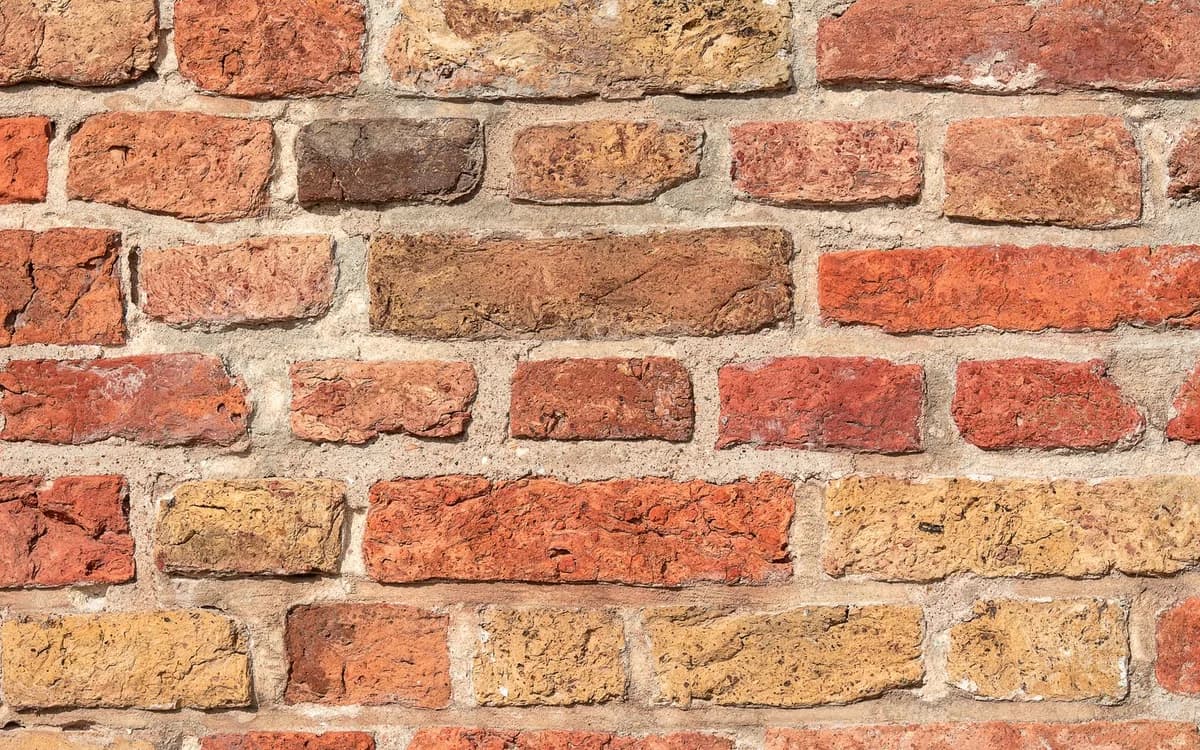
Painting face brick is one of the few decisions in this trade that is effectively permanent. It is worth thinking about properly, because a lot of people regret it and a few are very glad they did it.
The case against
**It cannot be undone cleanly.** Paint penetrates the pores of the brick. Chemical stripping is expensive, results are inconsistent, and abrasive methods destroy the fired outer skin of the brick, leaving a soft, absorbent surface far more vulnerable than the original. There is no reliable route back.
**You are creating maintenance that did not exist.** Unpainted face brick is essentially a zero-maintenance exterior. Once painted, you own a repaint cycle for the life of the building.
**Brick needs to breathe, to a degree.** Brick and its mortar handle moisture by letting it evaporate. A low-permeability film restricts that, and where a wall has any moisture load, you get blistering, salt damage at the mortar joints, and spalling brick faces.
**It can devalue period property.** On a Federation, inter-war or character home in a protection area, original face brick and tuckpointing are part of what the house is. Several Perth councils have character protection provisions, and painting previously unpainted brick may need approval.
The case for
**Some brick is genuinely unattractive.** 1960s and 70s cream and mottled browns are not to everyone's taste, and painting is far cheaper than rendering or re-cladding.
**Previous repairs have already ruined the look.** Patched brickwork in mismatched bricks, or a section rendered by a previous owner, will never look uniform. Paint is the honest fix.
**It has already been painted.** If someone did it in 1985, the decision is made. Maintaining it well is now the only sensible path.
**Efflorescence is persistent.** Where salt staining keeps returning despite treatment, an appropriate coating can be the practical answer.
If you decide to do it
Preparation determines everything.
- **Fix all water problems first.** Gutters, downpipes, flashings, garden beds above the damp course. Painting a wet wall is the fastest possible route to failure.
- **High-pressure clean** thoroughly, and let it dry properly — brick holds water longer than you expect, often several days.
- **Treat efflorescence.** Brush off deposits dry, treat the cause, and confirm it has stopped returning before coating.
- **Repoint failed mortar.** Match the original mortar's hardness — soft lime mortar on old brickwork, not modern cement.
- **Prime with a masonry sealer** suited to the porosity.
- **Use a permeable coating.** A mineral or highly breathable system, not the least expensive acrylic available.
Test one wall first
Paint an inconspicuous elevation and live with it through a full season. Brick that has never been painted absorbs unevenly and the result can be very different from the sample card.
The middle options
**Bagging** or a thin skim leaves texture and gives a softer, more forgiving surface than paint on raw brick — and it is what a lot of people actually want when they say they want it painted.
**Mineral slurry finishes** and **limewash** sit between bagging and painting. They are permeable, they weather gracefully rather than peeling, and on older brickwork they are much more sympathetic.
**Cleaning.** A surprising number of brick walls simply need washing. Fifty years of grime makes a wall look far worse than the brick actually is, and a proper clean costs a fraction of a repaint.
The one-line summary
If the brick is sound, original to a character home, and just not to your taste — think hard, and consider cleaning or bagging first. If it is already painted, badly patched, or genuinely unattractive, paint it properly with a breathable system and accept the maintenance cycle you are taking on.