Insurance, licences and SWMS: what to ask a painter before they start
2 August 2026 · 4 min read
The documents that matter, what they actually cover, and why the answer 'we're fully insured' is not an answer.
"Fully insured" is a phrase, not a document. Here is what to ask for, what each thing does, and what happens if it is missing.
Public liability insurance
**What it covers:** damage to your property or injury to third parties caused by the contractor's work. Overspray on the neighbour's car, a dropped tin through a skylight, a ladder through a window.
**What to ask for:** a **certificate of currency**, showing the insured entity's name, the policy period covering your work dates, and the sum insured.
**What to check:** that the name on the certificate matches the entity on your quote and invoice. A certificate in a different trading name is common and worth querying — it may be legitimate, and it may mean the entity doing your work is not the one insured.
Workers' compensation
**What it covers:** injury to the contractor's workers. In Western Australia this is compulsory for employers under the *Workers Compensation and Injury Management Act*.
**Why it matters to you:** if an uninsured worker is injured on your property, you may be exposed. This is the cover people most often overlook and it is the one with the largest downside.
**What to ask:** whether they have employees or subcontractors, and for the certificate. A genuine sole trader with no employees may not be required to hold it, but they should be able to explain that clearly.
The subcontractor gap
Many painting businesses subcontract. Ask directly: who will physically be on my property, are they employees or subcontractors, and are they covered? A principal contractor's certificate does not automatically extend to an uninsured subcontractor.
Licensing in Western Australia
WA does not have a specific painters' licence in the way some other states do. Painting is generally not a licensed trade here on its own.
What that means practically: **the absence of a painting licence is not a red flag in WA**, but it also means you cannot rely on a licence as a quality filter. You have to check the other things instead.
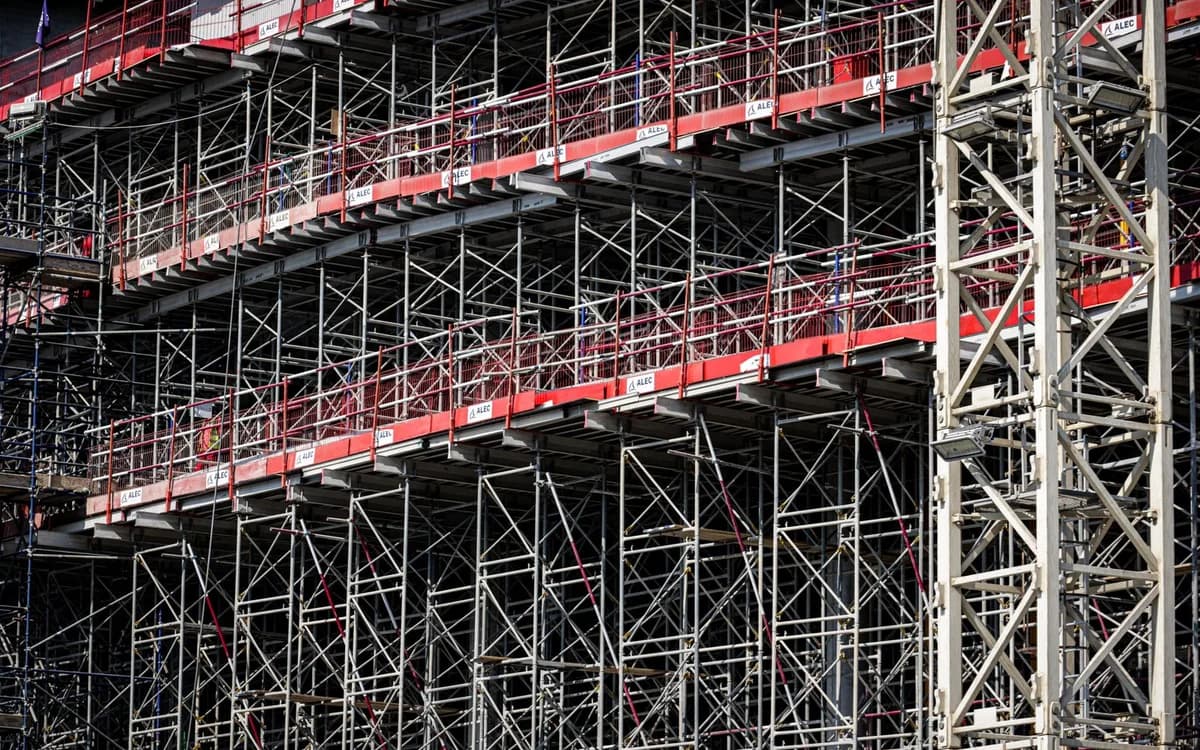
Where licensing does bite: **high-risk work licences** for certain access equipment and scaffolding, and **asbestos removal licences**. If your job involves scaffolding above the prescribed height or any asbestos removal, those licences are required and are worth sighting.
Safe Work Method Statements
**What they are:** a written statement of how high-risk construction work will be done safely, required under WA's work health and safety regulations for prescribed high-risk activities.
**When they apply to painting:** work at heights above two metres, work on or near powered electrical installations, use of elevated work platforms, work involving asbestos, and confined spaces.
**Who needs to see one:** for domestic work, you generally do not need to hold it, but the contractor must have prepared it. For strata, commercial and any managed property, the manager will require a copy before access.
**What a real one looks like:** specific to the job and the site, listing the hazards, the controls and who is responsible. A generic template with the business name changed is not a SWMS, and an experienced strata manager will reject it.
The basic checks anyone can do
| Check | How |
|---|---|
| ABN is real and active | ABN Lookup on the ABR website, free |
| Business name matches the ABN | Same lookup |
| GST registered, if charging GST | Same lookup |
| Insurance is current | Certificate of currency, check the dates |
| They have done this work before | Two recent addresses, and call them |
What a straight answer sounds like
Ask: "Can you send me your certificate of currency for public liability and workers' comp before you start?"
A professional contractor sends them within a day, without comment, because they are asked this constantly. Hesitation, delay or an explanation of why it is not necessary is the actual answer to your question.
If something goes wrong and there is no cover
You are relying on the contractor's own assets, which for a small operator may be very little. Your home insurance may respond to some damage but insurers commonly pursue recovery, and a claim on your own policy affects your premium and your record.
The certificates take one email to obtain. It is the cheapest risk management available on the entire project.