What a painting quote should include, and the lines that hide the cost
14 May 2026 · 3 min read
A quote that fits on one line is not a quote, it is a number. Here is what a real one specifies, and the omissions that turn into variations later.
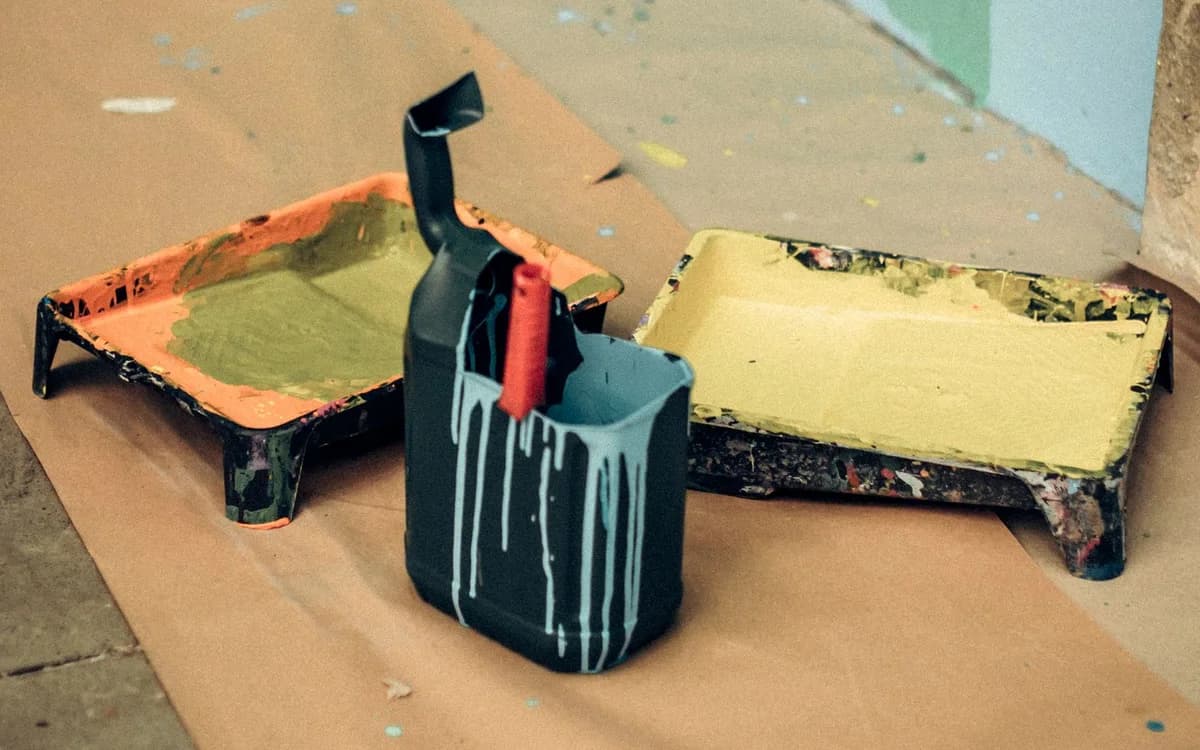
Most disputes about painting are not really about painting. They are about two people who thought they had agreed on the same job and had not. A quote is the document that prevents that, and a quote that says "paint house — $9,500" prevents nothing at all.
Here is what should be on it.
The surfaces, named
Not "interior". Which rooms, and within each room, which surfaces: walls, ceilings, cornice, skirting, architraves, doors, door frames, window reveals, built-in robes. It is entirely normal for a quote to exclude ceilings, and entirely normal for a customer to assume they were included. Both parties are being reasonable and only one of them is going to be surprised.
Same outside: walls, eaves, fascia, barge boards, gutters, downpipes, garage door, front door, window frames, pergola, retaining walls. Each of those is a real decision with a real cost.
The number of coats, and the primer
"Two coats" is meaningless on its own. Two coats of what, over what preparation, on what primer? A dark colour going over a light one may need three. Bare filler needs spot priming or it flashes through the finish. New render needs a sealer that costs more than the topcoat.
The most common hidden saving
A quote can be made cheaper by dropping the primer, dropping a coat, or thinning the product. None of those are visible on handover day. All three are visible in three years.
The preparation, in detail
Preparation is where the labour is, which means it is where the money is and where quotes genuinely differ. The line should say what is actually happening: sugar soap wash, high-pressure clean, scrape back to sound edges, feather-sand, fill and sand, caulk gaps, spot prime, mask and protect.
If two quotes are $4,000 apart, this is almost always the paragraph that explains it.
The products, by name
Brand and product line, not just "premium acrylic". Products carry different warranties, different film builds and genuinely different service lives. You are entitled to know what is going on your house, and to look up its data sheet.
Access and set-up
Scaffolding, elevated work platforms, roof anchors, ladders over two storeys. On a tight block or a two-storey exterior, access can be a five-figure line on its own. A quote that ignores it is not cheaper, it is incomplete — the cost arrives later as a variation.
What is excluded
Good quotes are explicit about the things they are not doing: timber repair or replacement, roof repairs, rust treatment beyond a stated allowance, asbestos handling, lead-safe containment, rectifying damp. These get discovered mid-job on older houses, and the time to agree how they are handled is before anyone starts.
The commercial terms
| Term | What to look for |
|---|---|
| Deposit | A reasonable percentage, not half the job |
| Progress payments | Tied to stages, not to dates |
| Variations | In writing and approved before the work happens |
| Warranty | Period, what it covers, and what voids it |
| Insurance | Public liability, and workers' compensation if there is a crew |
| Timeframe | Working days on site, and what happens if weather stops work |
The signature line nobody reads
Where the quote records advice you gave against. If you asked for reduced preparation to save money and the painter agreed on the record, that belongs on the document. It protects both of you: you know what you traded away, and the warranty exclusion is not a surprise later.
A quote is the only part of a painting job you get to inspect before you commit to it. It is worth reading like one.