Which paint sheen to use in which room
11 June 2026 · 3 min read
Matt, low sheen, satin, semi-gloss and gloss all have a job. Where each one belongs, and the trade-off nobody mentions.
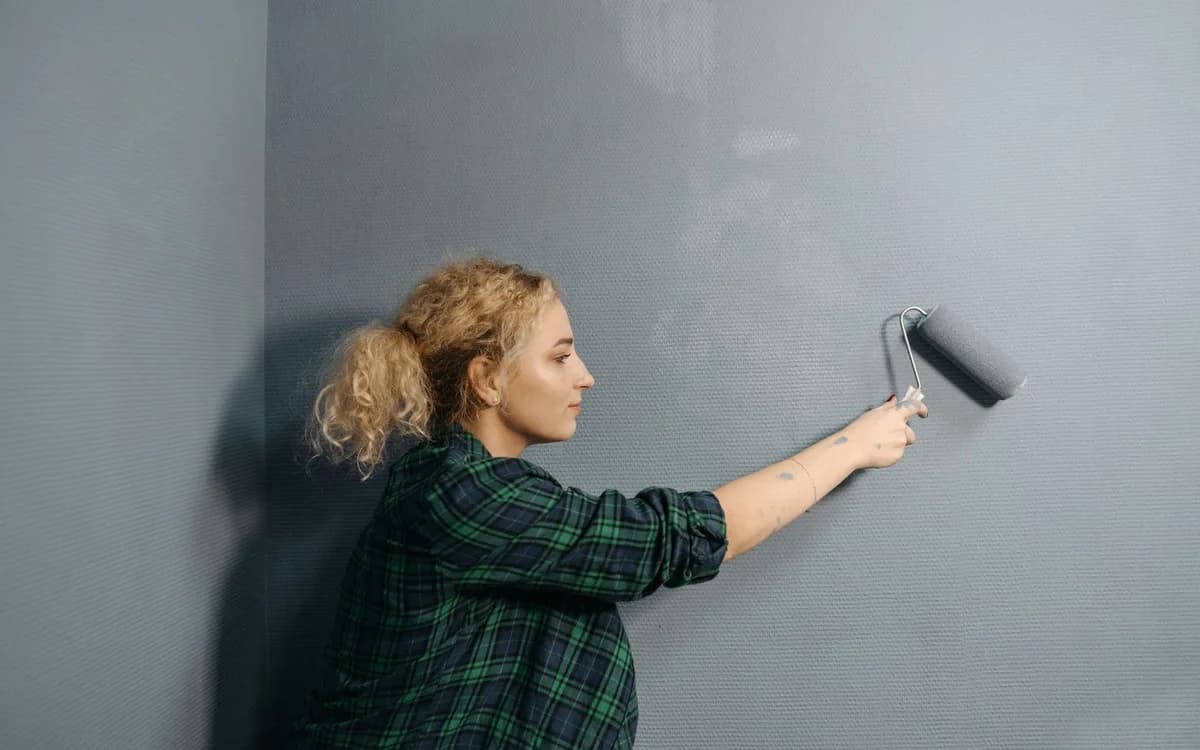
Sheen is the decision people spend least time on and notice most afterwards. It affects how a room feels, how well it washes, and how much of your wall's history is on display.
The one trade-off that explains everything
**Higher sheen is tougher and easier to clean. Lower sheen hides imperfection.**
That is the whole thing. Every recommendation below is an application of it.
Higher-sheen paints contain more binder relative to pigment, which makes a harder, less porous, more washable film — and one that reflects light directionally, so every dent, patch and roller mark shows. Matt finishes scatter light in all directions and hide a great deal, at the cost of being softer and harder to clean.
Room by room
| Space | Walls | Ceiling | Trim and doors |
|---|---|---|---|
| Living, dining | Low sheen | Flat/matt | Semi-gloss |
| Bedrooms | Low sheen or matt | Flat/matt | Semi-gloss |
| Hallways, stairs | Low sheen | Flat/matt | Semi-gloss or gloss |
| Kitchen | Low sheen or satin | Flat/matt | Semi-gloss |
| Bathroom, ensuite | Satin, mould-resistant | Satin or specialist | Semi-gloss |
| Laundry | Satin | Satin | Semi-gloss |
| Kids' rooms | Low sheen, washable | Flat/matt | Semi-gloss |
Ceilings are flat for a reason
Ceilings get raking light from every window and every downlight in the room. Any sheen at all turns that into a display of every joint and undulation in the plasterboard. Flat ceiling paint is not a lesser product — it is the correct product, and it is why ceiling paint is sold separately.
The exception is a bathroom ceiling, where moisture resistance matters more than hiding, and a specialist low-sheen product earns its place.
Wet areas
Bathrooms, ensuites and laundries need a film that resists moisture and can be wiped down. Satin is the practical minimum, and a purpose-made mould-resistant product is worth the difference.
Mould-resistant is not mould-proof
These products contain an additive that inhibits growth on the film surface. They buy time. They do not fix a bathroom with no working extraction fan — see our piece on why bathroom mould keeps returning.
Trim, doors and skirtings
Semi-gloss is the default, for three reasons: it takes knocks and cleaning, it defines the architecture against the walls, and trim is small enough in area that the sheen does not overwhelm the room.
Full gloss is a legitimate choice on period joinery and front doors, where the depth of a gloss finish is part of the look. Be aware it demands a much higher standard of preparation — gloss magnifies everything underneath it.
The modern matt question
Very flat, chalky wall finishes look excellent in photographs and are genuinely demanding in a family home. They mark easily, they cannot be scrubbed, and touching up shows.
Two honest positions. In a formal living room or a main bedroom, a true matt is a lovely thing and the practical downside rarely bites. In a hallway with children and a dog, it is a decision you will revisit within two years. Several manufacturers now make washable matts that close some of the gap, and they are worth asking about by name.
The rule that survives every fashion
**The older and more repaired the wall, the lower the sheen should be.** A 1920s wall with eighty years of patching under a semi-gloss is a wall you will look at and see only the repairs.