Why your north and west walls fail first
1 June 2026 · 3 min read
One elevation looks tired and the rest look fine. That is not a defect — it is solar load, and it changes how you should plan a repaint.
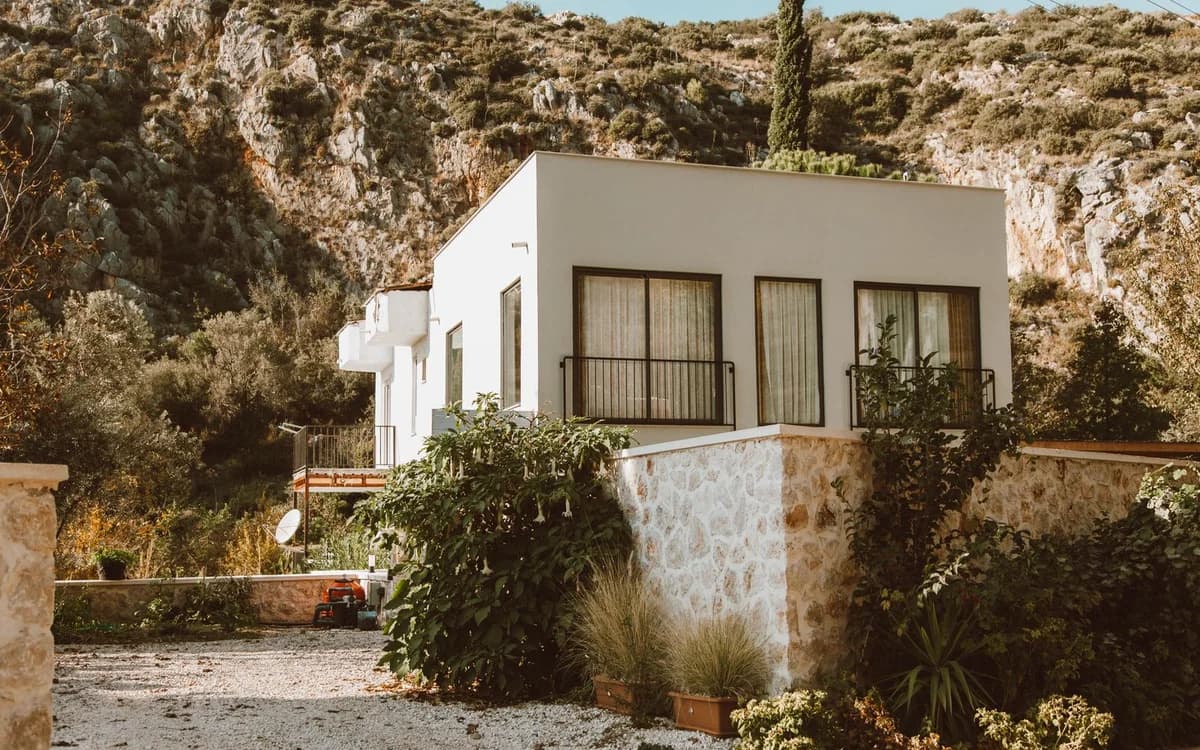
Almost every exterior repaint quote in Perth includes the same conversation: one wall looks noticeably worse than the others, and the owner wants to know whether they were sold bad paint.
Usually they were not. They were sold one house with four quite different climates on it.
The solar arithmetic
In the southern hemisphere the sun tracks across the northern sky. A north-facing wall receives direct sun for most of the day, all year. In summer it gets high-angle sun through the middle of the day; in winter, when the sun sits lower, it gets long, direct, low-angle exposure.
West is worse in a different way. A west wall catches the afternoon sun — lower in the sky, striking the wall closer to perpendicular, and arriving at the hottest part of the day. Peak surface temperature on a west wall in February routinely exceeds the north wall's.
South-facing walls get almost no direct sun in winter and very little in summer. East gets morning sun only, at cooler temperatures.
The result is a spread in total annual UV dose across one building that can be three or four to one.
What that does to the coating
Two separate mechanisms, both driven by the same exposure.
**Photodegradation.** UV breaks the polymer chains in the binder. The film loses cohesion at the surface, pigment is released, and the wall chalks and fades. This is a pure function of UV dose, so it tracks solar exposure almost exactly.
**Thermal cycling.** A wall that reaches 55°C in the afternoon and drops to 15°C overnight is moving. So is the substrate behind it, at a different rate. Every cycle works the film, opens hairline cracks, and stresses the bond at edges, corners and joints.
Dark colours make both worse. A charcoal wall runs meaningfully hotter than a cream one in the same position, which is why the shortest-lived combination in Perth is a dark colour on a west-facing render.
What this means practically
**Judge the house by its worst elevation, not its average.** The south wall looking new does not mean the coating is fine.
**Stage the work if the budget requires it.** Doing north and west now and south and east in four or five years is a legitimate maintenance strategy that matches actual wear. Plan the colour break at an external corner so the join is not visible mid-wall.
**Expect the sample to lie.** A colour chosen against the shaded south wall will look completely different on the north elevation. Test colours where they will actually live.
Sheen matters more on hot walls
Higher-sheen finishes are generally tougher and easier to wash, but they show surface imperfection and thermal movement more clearly. On a large, hot, flat rendered wall, a low sheen usually ages better and hides the inevitable hairline movement.
Design decisions that buy years
- Eaves and verandahs that actually shade the wall
- Lighter colours on north and west, saving darker tones for shaded elevations or feature panels
- External shading, awnings or planting on the west
- Higher-grade UV-stable products specified for the two hot elevations only, which costs less than upgrading the whole house
None of this stops the north and west walls going first. It just moves the date, and moving the date on the two elevations that drive the repaint cycle moves the cost of owning the house.